Technical textile is revolutionizing industrial manufacturing with its performance-driven design and specialized applications. Unlike conventional textiles used in clothing and home décor, technical textiles are engineered to perform specific functions under demanding conditions. From aerospace to agriculture, and from healthcare to high-tech sportswear, these advanced materials are reshaping product development, innovation cycles, and market competitiveness.
Defining Technical Textiles in the Industrial Context
At their core, technical textiles are textile materials manufactured for non-aesthetic purposes, where performance is the key criterion. They are developed to meet exacting specifications regarding strength, elasticity, durability, thermal resistance, chemical stability, and more. These materials are not defined by how they look or feel, but by how they perform under real-world industrial conditions.
For example, the fabric used in bulletproof vests is engineered to absorb and disperse the kinetic energy of projectiles. In another context, geotextiles reinforce soil structures in road construction, improving stability and drainage. Each technical textile is customized with functional features to solve engineering problems or enhance product performance.
How Technical Textiles Are Made
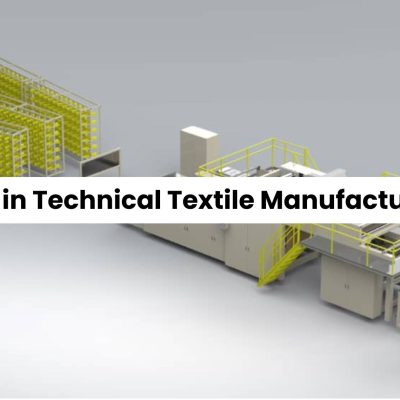
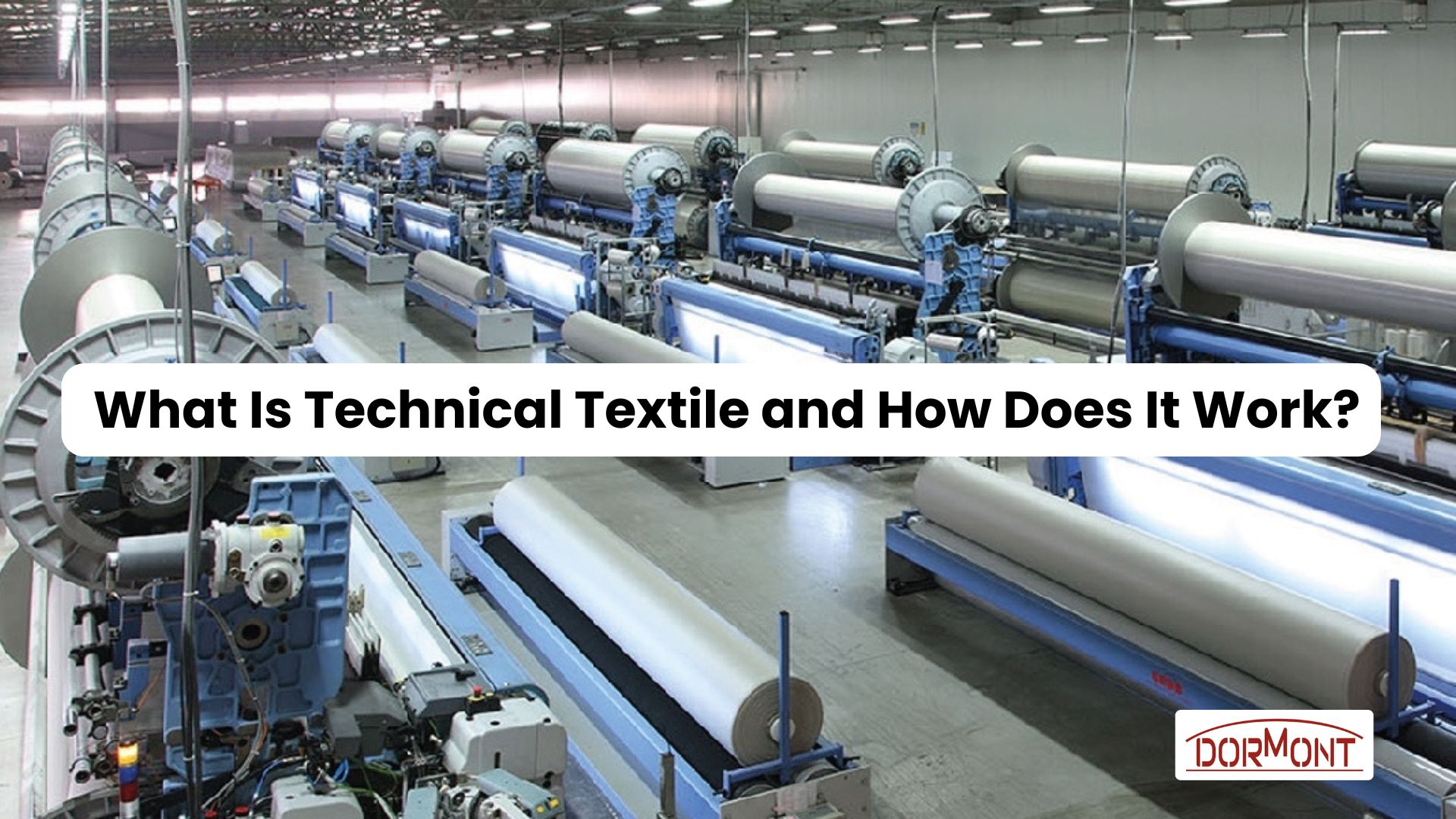
Producing technical textiles involves precision machinery and high-level process control. Manufacturers use various methods, including weaving, knitting, nonwoven bonding, and advanced lamination. The choice of method really depends on the intended end-use of the technical textile fabric.
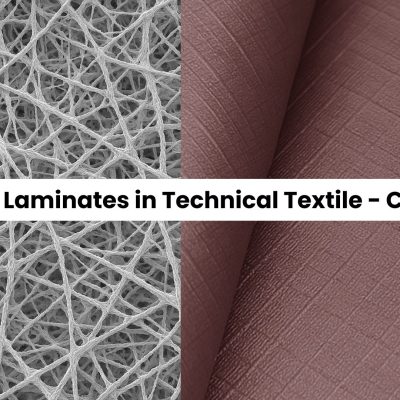
In recent years, nonwoven technologies such as spunbond and meltblown have gained prominence due to their ability to create lightweight, strong, and breathable fabrics ideal for filtration, medical, and hygiene applications. Laminated textiles, where performance films such as polyurethane (PU) or expanded polytetrafluoroethylene (ePTFE) are bonded to the surface, are commonly used for weather protection, chemical resistance, and waterproof-breathable clothing.
Each production method can be further enhanced with coating technologies and finishing treatments that impart functionalities such as flame resistance, anti-bacterial properties, UV stability, or conductive capabilities. This flexibility allows technical textiles to be engineered for extreme environments—from sub-zero arctic conditions to corrosive industrial plants.
Key Application Areas of Technical Textile
The range of industries utilizing technical textiles continues to expand. In the automotive sector, they are used in airbags, seatbelts, acoustic panels, and insulation. In construction, geotextiles and composite membranes provide structural reinforcement and moisture barriers. The healthcare industry relies heavily on medtech textiles for wound dressings, implants, and hospital drapes. Even the defense and aerospace industries demand materials with high thermal stability and mechanical strength to meet military-grade standards.
Technical textiles are also enabling innovation in consumer applications. For instance, high-performance athletic wear integrates breathable and moisture-wicking fabrics, while outdoor equipment benefits from water-resistant and tear-proof textiles that can withstand rugged use.
Technical Textile vs Traditional Textiles
Traditional materials like cotton, wool, and polyester are often chosen based on touch, color, and fashion trends. In contrast, technical textiles are specified based on quantifiable metrics like tensile strength, permeability, resistance to abrasion, and chemical compatibility.
Moreover, the lifecycle and maintenance of technical textiles differ substantially. These materials are expected to maintain integrity across repeated washings, exposures, and mechanical stress cycles. Their production also often involves more stringent quality control and regulatory compliance, especially in sectors like medical and protective clothing.
What Can Dormontbiz Do for You?
Based in Europe, Dormontbiz is a trusted partner in the global technical textile industry. We specialize in supplying cutting-edge technical textile production lines that meet international standards for quality, efficiency, and innovation. Whether you’re a new investor entering the functional textile market or an established manufacturer looking to upgrade your systems, Dormontbiz delivers custom-tailored solutions to fit your production needs.
In addition to our equipment and technology offerings, Dormontbiz plays a strategic role in Mergers and Acquisitions (M&A). We help clients identify acquisition targets, facilitate due diligence, and manage integration projects to accelerate growth and diversify product portfolios. Our team combines engineering expertise with financial acumen, ensuring that both the technological and commercial aspects of M&A transactions are seamlessly aligned.
As global demand for performance fabrics continues to rise, Dormontbiz empowers textile businesses to adapt, innovate, and lead. With a focus on precision, quality, and long-term partnerships, we stand ready to guide your technical textile journey from concept to commercialization.
Whether you’re looking to source the latest textile lamination systems or explore strategic acquisitions in emerging markets, Dormontbiz is your gateway to success in the future of fabric engineering.