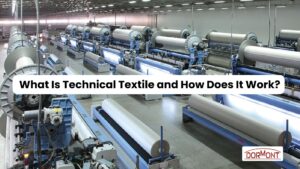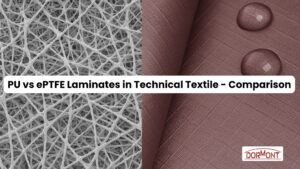

Understanding the difference technical textile and traditional textile is a critical moment if you are in the position of an industry buyer. While traditional textiles have long been associated with aesthetics and comfort, technical textiles prioritize functionality and performance. This article delves into the fundamental differences between these two categories, exploring their unique characteristics, applications, and the implications for the industrial value chain.
Defining Technical Textile and Traditional Textiles
Traditional textiles are primarily designed for aesthetic appeal and comfort. They encompass materials used in everyday clothing, home furnishings, and decorative items. The focus here is on visual appeal, texture, and comfort, catering to consumer preferences and fashion trends.
On the other hand, technical textiles are crafted to serve niche functional purposes. These textiles are designed to meet stringent performance criteria, such as durability, resistance to environmental factors, and specialized functionalities like flame protection or conductivity. Applications span across industries including automotive, aerospace, healthcare, and construction, where performance and reliability are paramount.
Key Differences in Manufacturing and Application
The manufacturing processes for technical and traditional textiles differ significantly. Traditional textiles often utilize conventional weaving or knitting techniques, focusing on patterns, colors, and textures. The materials used are typically natural fibers like cotton, wool, or silk, chosen for their comfort and appearance.
Technical textile, however, employs advanced manufacturing techniques such as nonwoven processes, lamination, and coating to achieve desired functional properties. Materials used include synthetic fibers like aramid, carbon, and glass fibers, selected for their strength, durability, and resistance to various environmental factors.
Applications of traditional textiles are predominantly in the consumer sector, including apparel, upholstery, and home décor. Technical textiles, on the other hand, are integral to industrial applications such as geotextiles for soil stabilization, medical textiles for implants and bandages, and protective clothing for firefighters and military personnel.
Performance Characteristics of Technical Textile vs Other Textiles
When comparing performance characteristics, technical textile outperforms traditional textiles in several aspects:
- Durability: Technical textiles are designed to withstand harsh conditions, including extreme temperatures, chemicals, and mechanical stress.
- Functionality: They offer specialized functions such as water repellency, UV protection, and antimicrobial properties.
- Customization: Technical textiles can be tailored to meet specific requirements of different industries, ensuring optimal performance.
Traditional textiles, while comfortable and aesthetically pleasing, lack the specialized functionalities required for industrial applications. Their performance is adequate for everyday use but falls short in demanding environments unlike technical textile.
Market Dynamics and Industrial Implications
The demand for technical textiles is on the rise, driven by advancements in technology and the growing need for high-performance materials across various industries. This shift is influencing the industrial value chain, prompting manufacturers to invest in research and development to innovate and meet the evolving requirements.
Traditional textile manufacturers are also exploring opportunities to diversify into technical textiles, leveraging their existing infrastructure and expertise. This transition necessitates a strategic approach, including upgrading machinery, acquiring technical know-how, and understanding the regulatory standards specific to technical textile applications.
What Can Dormontbiz Do for You?
At Dormontbiz, we specialize in facilitating the transition from traditional to technical textile manufacturing. Based in Europe, we offer viable solutions tailored to your business needs:
- Technical Textile Production Lines: We provide state-of-the-art machinery and equipment designed for the production of various technical textiles, ensuring efficiency and quality.
- Mergers and Acquisitions: Our expertise in M&A enables us to assist you in identifying strategic partnerships and acquisition opportunities to expand your capabilities.
- Consultancy Services: We offer expert guidance on market trends, regulatory compliance, and technological advancements to help you make informed decisions.
Partner with Dormontbiz to navigate the evolving textile industry landscape and capitalize on the growing opportunities in technical textiles.